On this page
My approach to ozone therapy
I began working with ozone therapy in 2006 and previously taught on ozone training programmes at Ankara Yıldırım Beyazıt University. I plan applications around the person's history, the site and the intended tissue response. I do not use one standard protocol for everyone.
Ozone therapy includes different methods: major and minor autohaemotherapy, local injections, ozone activation of PRP and topical ozonated oils. Preparation, route and assessment differ for each.
What is medical ozone?
Medical ozone is an oxygen-ozone mixture prepared by a medical device at a specified ozone concentration. Concentration, total volume and route are planned together. Increasing the amount of ozone does not itself improve an application.
Ozone reacts rapidly when it contacts blood or tissue. Proposed effects involve short-lived oxidants and lipid ozonation products stimulating cellular signalling. Ozone does not remain in the body to produce this effect. The response depends on dose, route and existing antioxidant capacity.
Proposed mechanisms
Circulation and oxygen use
Research considers effects on red-cell deformability, blood flow, endothelial nitric oxide responses and microcirculation. Changes in erythrocyte 2,3-DPG are among the proposed mechanisms that could facilitate oxygen release from haemoglobin.
Immune modulation
Controlled oxidative signalling may influence redox-sensitive pathways such as Nrf2 and NF-κB, along with cytokine responses involved in immune and inflammatory regulation. This differs from generally stimulating or suppressing the immune system.
Endogenous antioxidant defence
Controlled stimulation at an appropriate dose is intended to support adaptive responses in the body's own antioxidant defences, including superoxide dismutase, catalase and the glutathione system. It does not supply an antioxidant directly.
Mechanisms are dose- and route-dependent. Experimental findings do not mean that every patient will have the same clinical outcome. Purpose, method and follow-up measures are individual.
Methods used at my practice
- Major autohaemotherapy: a selected amount of blood contacts a medical oxygen–ozone mixture in a closed system and is returned intravenously.
- Minor autohaemotherapy: a smaller blood preparation is exposed to ozone and administered intramuscularly.
- Local injections: controlled application of oxygen–ozone to a selected area and tissue plane.
- Ozone-activated PRP/CGF: a platelet-rich preparation is exposed to ozone before use.
- Local tissue applications: selected cellulite patterns on the legs and limited fat deposits on the abdomen or legs may be assessed.
- Ozonated oil: a topical product prepared from vegetable oil reacted with ozone, considered in selected skin and wound-care situations.
Major and minor autohaemotherapy
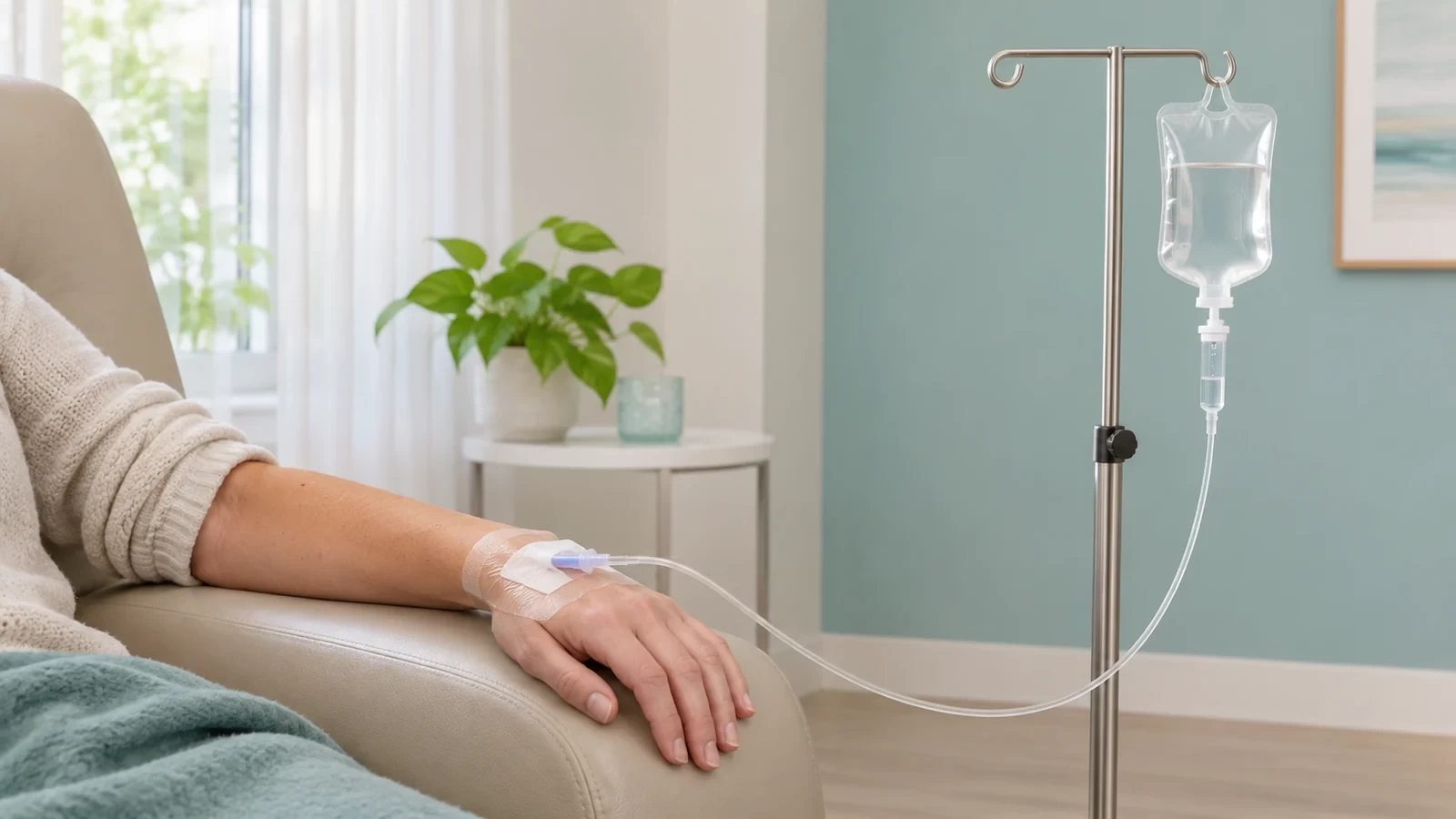
In the major method, blood is treated outside the body in a closed, sterile system before intravenous return. Ozone gas is not injected directly into a vein. Total dose takes both gas concentration and volume into account.
The minor method uses less blood and an intramuscular route. Their purposes and preparation differ; they should not simply be viewed as large and small versions of the same procedure.
Why people seek an assessment
People may seek support alongside existing treatment or wish to discuss energy, recovery and healthy ageing. Treatment for an underlying condition continues. Healthy people also need an individual assessment; ozone is not a universal anti-ageing protocol.
Healthy ageing and quality of life
Some people without a diagnosed illness seek advice about energy, recovery and everyday functioning. In my practice, some report feeling more energetic after sessions. These are individual observations, and responses vary. I use anti-ageing to describe support for function and quality of life as ageing continues.
Peripheral circulation and vascular disease
I consider ozone as an adjunct in selected arterial and microcirculatory problems, aiming to support blood-flow characteristics and oxygen use. In some patients I observe changes in walking capacity, pain, coldness or wound healing. The site and severity of vascular disease must be established first. It does not replace vascular follow-up, medication, exercise treatment or necessary procedures.
Diabetes and metabolic monitoring
Ozone may be considered as an adjunct while medication, insulin, nutrition and activity plans continue. My clinical observations include easier glucose control or lower HbA1c in some patients during combined care. These observations require laboratory follow-up and do not isolate an ozone effect. Diabetes medication changes are made by the relevant treating doctor.
Fibromyalgia and persistent fatigue
Pain, unrefreshing sleep, morning fatigue, brain fog and reduced functioning may be considered together within a broader plan. Persistent fatigue first warrants assessment for causes such as anaemia, thyroid problems and sleep disorders.
Autoimmune and chronic inflammatory conditions
The aim is to support regulation of immune and inflammatory responses. Relevant specialist treatment continues. I assess disease activity, medicines and general health when considering suitability.
Support during oncology treatment
The aim is not to treat a tumour. Chemotherapy, radiotherapy, surgery and other oncology care continue as planned. In selected people, supportive use is considered in relation to fatigue and reduced functioning, with timing and suitability taking the oncology plan and team’s assessment into account.
Musculoskeletal complaints
The cause of pain in muscles, joints or surrounding tissue is assessed before choosing a local or systemic approach. In suitable cases, ozone may form part of a pain and mobility plan alongside physiotherapy, exercise and specialist care.
Local ozone injections
Small volumes of oxygen–ozone mixture are used in selected tissue. Anatomy, injection plane, infection, circulation and other possible barriers are assessed beforehand. Brief pressure, burning or fullness may occur, followed by temporary tenderness, redness or bruising. Concentrations and volumes differ from systemic methods.
Cellulite and local fat tissue
Fibrous septa, fat distribution, skin thickness and circulation can all contribute to cellulite. Excess fat is only one possible factor. I use local ozone injections for selected septal cellulite patterns on the legs.
I also assess limited abdominal or leg fat deposits for local application with a lipolytic aim. This is not a weight-loss method or a stand-alone answer to widespread adiposity or substantial skin laxity. Areas, sessions and realistic changes are discussed during examination.
Ozone-activated PRP/CGF
For skin and scalp applications, I prepare PRP using a CGF centrifuge programme with varying speeds and durations. The platelet- and growth-factor-rich fraction is exposed to a controlled oxygen–ozone mixture with the aim of supporting activation and release of platelet-derived factors. See the PRP page.
Ozonated oil
Vegetable oil reacts with ozone under controlled conditions to produce a topical preparation. Properties vary with the oil, processing and storage.
Potential antimicrobial and tissue-response effects are investigated for selected inflammatory skin problems, superficial infections and wound care. The cause, depth, circulation and infection status of a wound need assessment first. Ozonated oil does not replace necessary wound care, surgery or appropriate antimicrobial treatment.
What I assess at the first consultation
- Purpose: the concern being addressed and why ozone is being considered.
- Health and medicines: blood results, other conditions, medication and prior treatment.
- Method: route, concentration, volume, intervals and follow-up measures.
When extra care is needed
G6PD deficiency, pregnancy, significant anaemia, bleeding or clotting problems, severe active illness and regular medication must be disclosed. Further blood tests or specialist assessment may be necessary.
Medical ozone is not administered by inhalation. Major autohaemotherapy prepares blood outside the body rather than directly injecting ozone gas intravenously. Local injections require attention to anatomy and tissue plane.
Frequently asked questions
Is ozone gas injected directly into a vein?
No. In major autohaemotherapy, blood contacts the oxygen–ozone mixture outside the body in a closed system before being returned to the circulation.
Are major and minor autohaemotherapy the same?
No. They differ in blood quantity, preparation, route and purpose. Selection requires an individual assessment.
Does ozone “boost” immunity?
That description is too simplistic. The intended response involves redox-sensitive signalling and immune regulation. Clinical relevance varies with condition, route and individual factors.
What is its role in diabetes?
It is considered only as an adjunct, with glucose and HbA1c monitoring and continued established care. The relevant doctor manages medication or insulin changes.
What may be expected in fibromyalgia?
The aim is to reduce the burden of symptoms within a broader plan that includes sleep, activity and coexisting problems. A single procedure is not expected to eliminate fibromyalgia.
Can it be considered during cancer treatment?
Only as a selected supportive approach, taking the oncology team and treatment plan into account. It does not treat the tumour or replace oncology care.
Where are local injections used?
Selected local tissue areas, including certain leg-cellulite patterns and limited abdominal or leg fat deposits, may be assessed. Each requires its own plan.
Is local ozone a weight-loss treatment?
No. A local lipolytic aim in selected areas does not replace nutrition, activity or an overall body-composition assessment.
What is ozonated oil used for?
It is a topical oil preparation considered as support in selected skin and wound-care situations after medical assessment, not a substitute for required care.
Is ozone suitable for everyone?
No. Medical history, medicines, blood results and method-specific contraindications must be considered, particularly G6PD deficiency, pregnancy, anaemia and bleeding or clotting disorders.
Sources and further reading
- Turkish Ministry of Health: Ozone Application Guideline
- Frontiers | Medical ozone: mechanisms, biological effects and clinical evidence—a narrative review
- Major autohaemotherapy and red-cell deformability
- Ozone autohaemotherapy and walking capacity in peripheral arterial disease
- Ozone as an add-on treatment in fibromyalgia: a placebo-controlled trial
- Ozone therapy as a treatment for diabetic foot ulcers: a systematic review and meta-analysis
- Ozone exposure, platelet activation and release of platelet-derived factors
- Variable-speed centrifugation and liquid CGF in skin tissue
- Topical antimicrobial applications of ozonated oils
- Review of evidence on ozone therapy in human studies