On this page
What is botulinum toxin treatment?
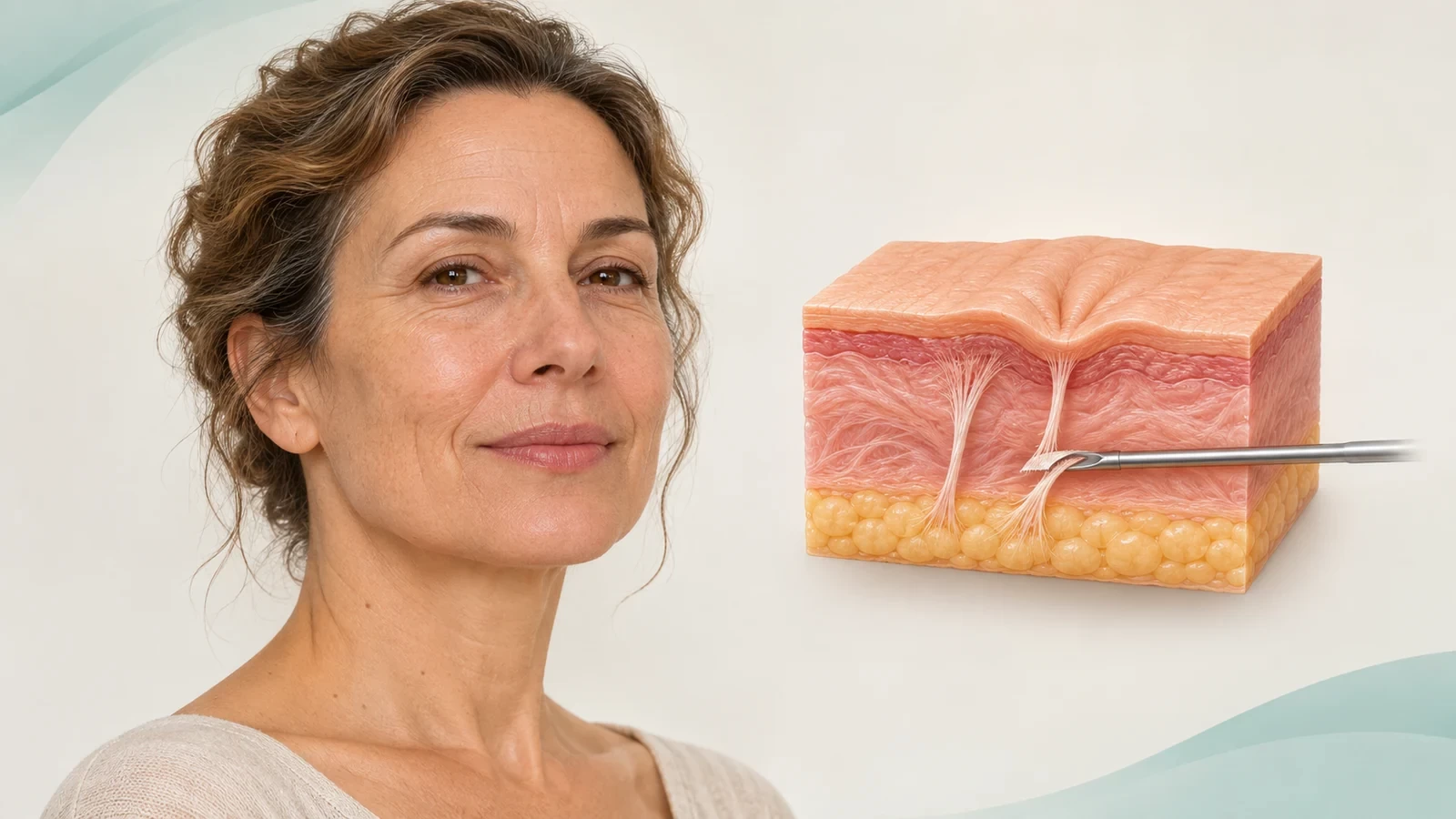
Botulinum toxin is a medical injection treatment that temporarily reduces activity in selected muscles. In aesthetic practice, it may be considered for lines that become more noticeable with facial expression.
I assess the muscles producing a line, eyebrow position and the balance of movement across the face when planning treatment.
Preserving expression in the upper face
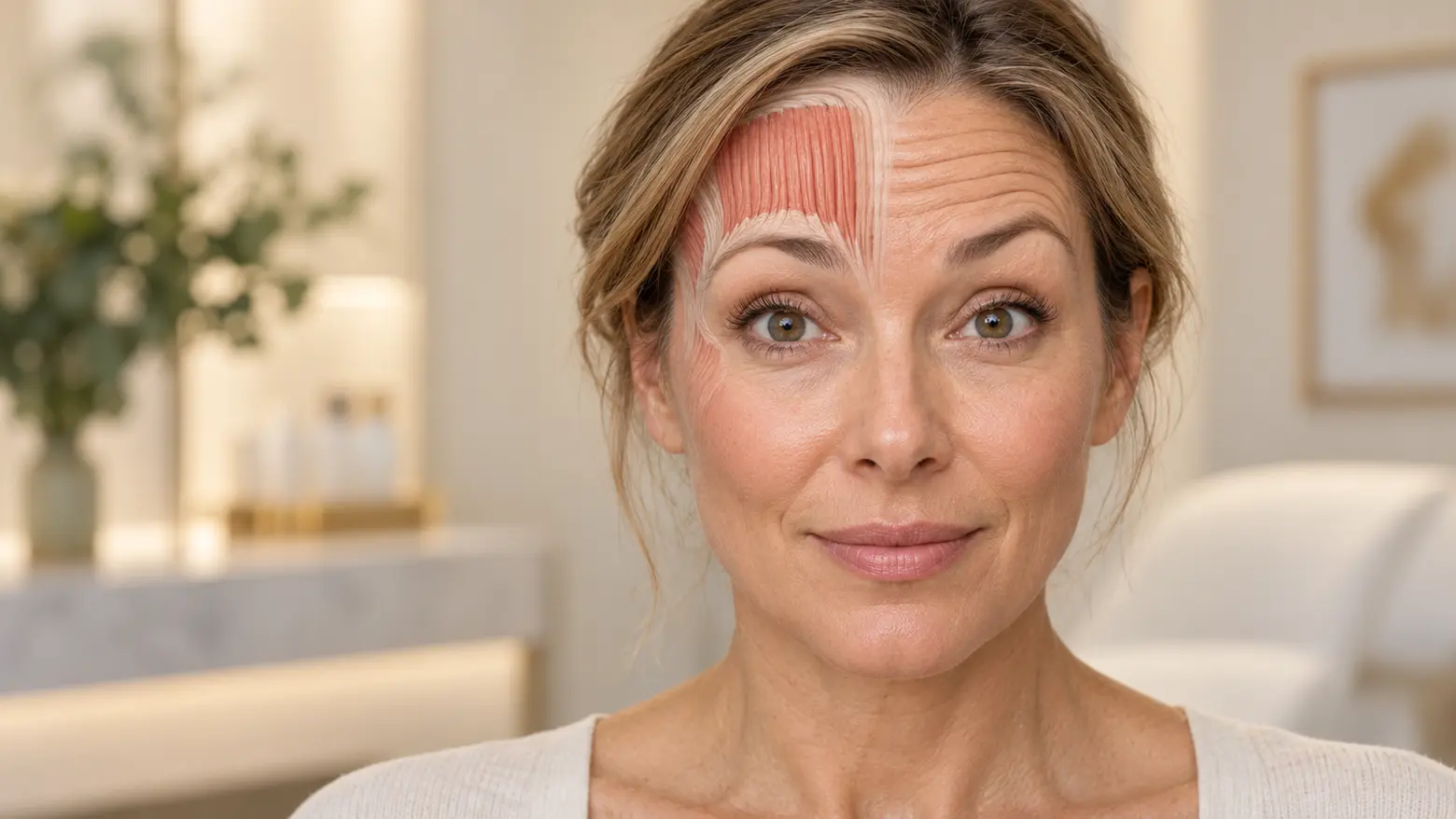
The forehead, frown area, eye area and eyebrow position are assessed together. The forehead muscle lifts the eyebrows, while muscles between the brows and around the eyes pull in different directions. Overlooking this balance can cause heaviness, an unwanted arch or an unnatural expression.
I aim to address the areas that concern you while preserving your expression. Some people need only limited treatment. If botulinum toxin cannot meet your expectations, we discuss another approach or the option of not treating.
Other uses of botulinum toxin
Botulinum toxin can also temporarily reduce muscle activity or the nerve signals reaching sweat glands in certain medical conditions. Each use has its own assessment, injection sites, dose and follow-up, separate from aesthetic facial treatment.
Excessive underarm sweating

Treatment may reduce the nerve signals reaching sweat glands in the underarms. The consultation covers how long the sweating has been present, its effect on everyday life, medication and treatments already tried.
Not all excessive sweating has the same cause. Medication or another health condition can contribute, so investigation may be needed first. The effect is temporary, and its onset and duration vary.
Teeth clenching and the masseter muscles
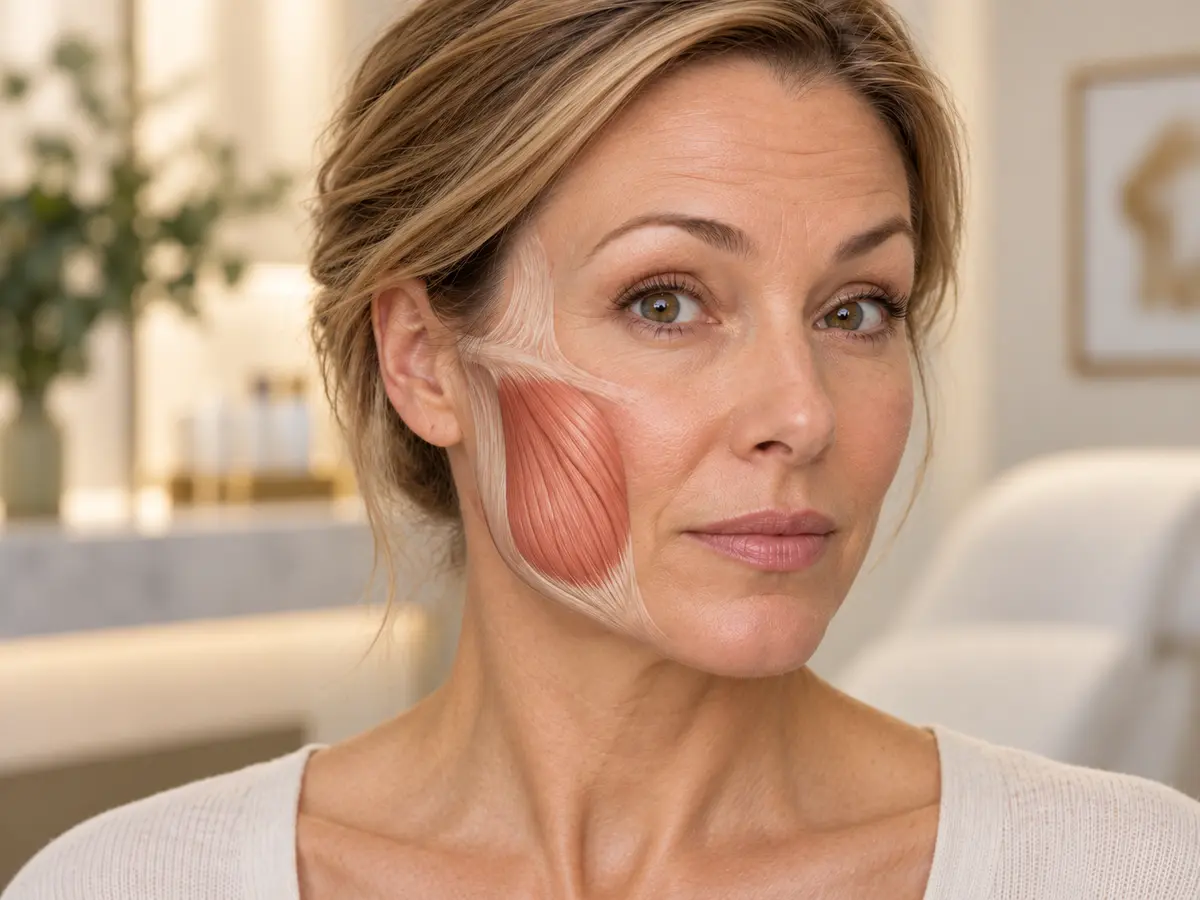
Clenching and grinding may involve the bite, jaw joint, sleep, stress or some medicines as well as the masseter muscles. We assess these factors and seek dental advice when needed.
Botulinum toxin may be considered to temporarily reduce contraction strength when excessive masseter activity contributes to symptoms. The plan takes account of chewing strength, facial proportions and balance between the two sides. Facial slimming is not always the goal.
Chronic migraine

Chronic migraine differs from occasional headache. Headache features, frequency, associated symptoms, previous treatment and an established diagnosis are considered before treatment.
The injection sites and doses used for chronic migraine follow a different protocol from aesthetic facial treatment. It does not guarantee elimination of every attack or replace neurological follow-up. In suitable patients, the aim is to reduce headache days and the impact of symptoms on daily life.
What I assess at the first consultation
- Medical history: medicines, supplements, existing conditions, pregnancy or breastfeeding, and previous procedures.
- The treatment area: facial movement, masseter strength, sweating distribution or headache history, according to the reason for your visit.
- Expectations and limitations: the change you would like, and what treatment can and cannot achieve.
Treatment and follow-up
Fine needles are used at the planned sites. The effect develops over time, and the review period depends on the reason for treatment. Aesthetic facial results are usually assessed at around 10-14 days.
Temporary redness, tenderness, swelling or bruising may occur. Follow your individual aftercare instructions, which depend on the treatment area.
When extra care is needed
Tell me about pregnancy or breastfeeding, conditions affecting muscles or nerves, infection at the proposed treatment site, allergies, regular medication and previous adverse reactions. Suitability is determined by an individual medical assessment and the characteristics of the product.
Possible adverse effects
Temporary redness, pain, tenderness, bruising or headache may occur. Depending on the area treated, other effects can include temporary weakness in nearby muscles, eyebrow or eyelid drooping, asymmetry, reduced chewing strength, a change in the smile or neck pain. Seek prompt medical help for unusual difficulty breathing, swallowing or speaking.
Frequently asked questions
Will treatment make my face expressionless?
Injection sites and dose are planned around your anatomy, muscle strength and the balance of expression. The aim is to preserve expression while addressing the concern, rather than removing every movement. Results vary.
When does it start working, and how long does it last?
The effect is usually noticed over the first few days, with assessment at around 10–14 days. Aesthetic effects often last around three to four months, although the product, treatment area and individual factors affect duration.
Will my lines become worse if I stop?
Muscle movement gradually returns as the effect wears off. Stopping treatment does not necessarily make the face worse than before treatment.
Does everyone receive the same dose and injection sites?
No. Forehead shape, eyebrow position, the eye area, muscle strength, expression habits and previous treatments all differ. Planning should not follow a single template.
Can it lift the eyebrows?
A subtle opening of the brow may be possible with suitable anatomy and careful attention to muscle balance. It may not correct drooping caused by loss of tissue support. Poor planning can cause heaviness or asymmetry.
Is treatment the same for sweating, clenching and migraine?
No. Each requires a separate assessment, injection pattern and dosing plan.