
Longevity
What Is Glutathione? Its Roles in the Body
How the body makes glutathione and uses it in antioxidant defence, liver processing and immune-cell metabolism, and why researchers study it in ageing.
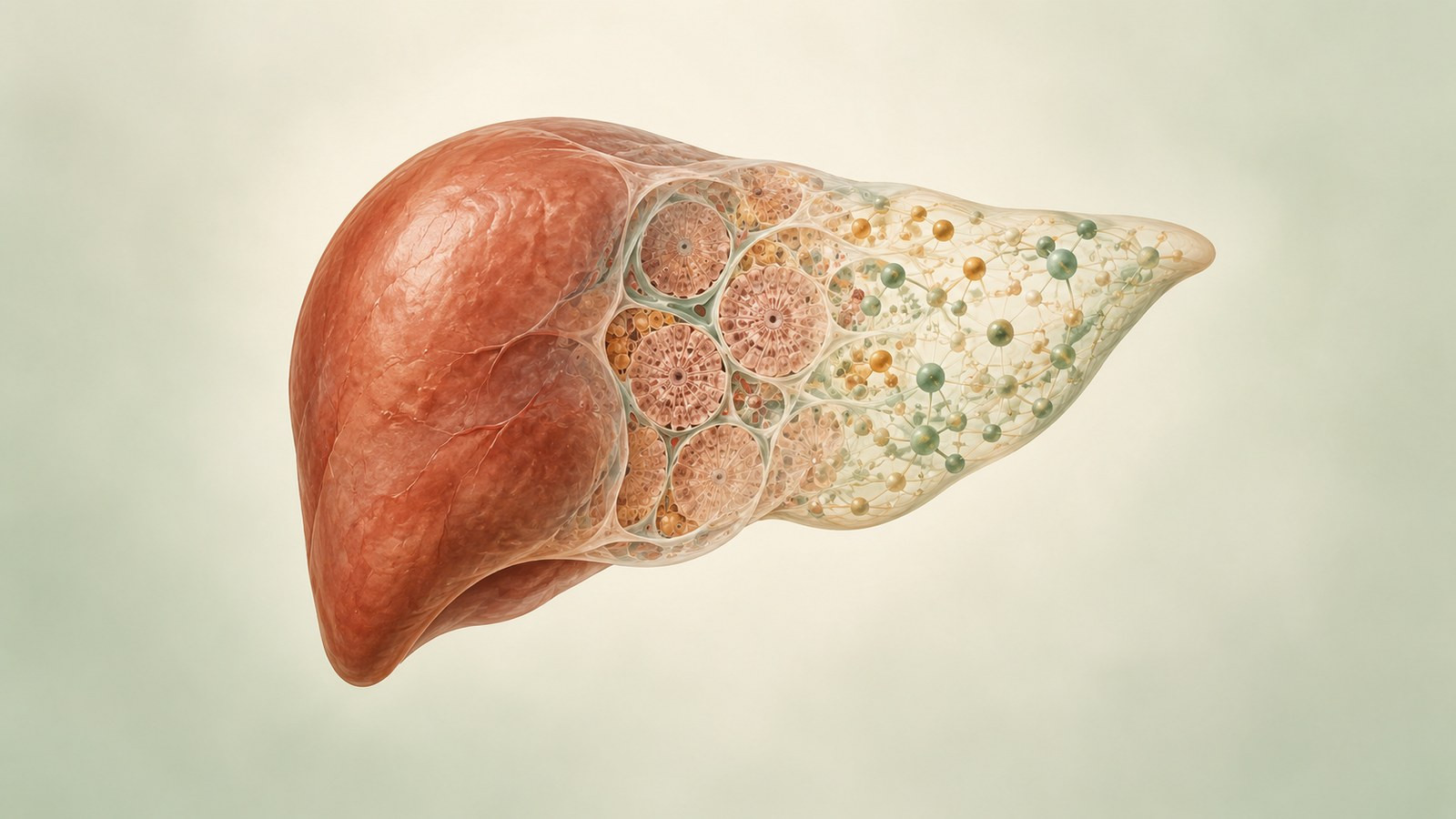
Cells produce energy, process nutrients and encounter substances from the environment every day. They need ways to limit chemical damage while continuing to function. Glutathione is a small molecule cells make as part of that protection. It has a role in normal cell life, beyond the discussion of supplements. [1,2]
What is it, and where is it made?
Glutathione consists of three amino acids: glutamate, cysteine and glycine. It is therefore a tripeptide, not a vitamin or hormone. [1]
Its synthesis occurs in the cytosol through two enzyme-dependent steps requiring energy. It is found in many tissues, with the liver particularly rich in it. Both building blocks and functioning enzymes are needed for continued production. [1]
What does antioxidant mean?
Normal metabolism produces reactive oxygen species. Some contribute to signalling and defence. Oxidative stress arises when production and control become imbalanced, potentially damaging proteins, membrane lipids and DNA. [2,6]
Glutathione is part of an antioxidant network. Glutathione peroxidase enzymes use it to help convert hydrogen peroxide and some lipid peroxides into less reactive products, limiting oxidative damage. [2]
Some reactive molecules are needed for signalling and defence. Glutathione helps maintain the balance between their production and control, working alongside enzymes and other defence systems. [6]
What happens after it is used?
GSH is the reduced form. In certain reactions, two GSH molecules become linked in the oxidised form, GSSG. Glutathione reductase and the electron carrier NADPH can regenerate GSH. Recycling matters alongside new synthesis. The relationship between GSH and GSSG provides information about cellular redox balance. [1,6]
Roles in the body
Protecting and regulating proteins
Glutathione helps protect particular chemical groups in proteins and reversibly regulate some protein functions. Temporary attachment to a sensitive region may protect it from oxidation or change its activity. These antioxidant functions contribute to regulation as well as damage prevention. [3]
Processing substances in the liver
The liver processes medicines and other compounds chemically. Enzymes such as glutathione S-transferases help glutathione bind certain reactive substances, a process called conjugation that can aid further processing and removal. It is one mechanism often described as detox, within a liver system that also uses many other enzymes, transporters and elimination routes. [2,3]
Supporting immune-cell metabolism
Activated immune cells have changing energy and building-block needs. Glutathione contributes to managing their oxidative environment and metabolic response. [4]
In a 2017 experimental study, glutathione production was genetically prevented in mouse T cells. The cells could begin activation but struggled to meet increased energy and biosynthetic requirements. This helps explain a mechanism; it was not a human supplement trial. [4]
Why is it studied in healthy ageing?
Researchers examine how cells preserve function over time, including antioxidant defence and oxidative balance. In a small 2011 study comparing eight older and eight younger adults, red-cell glutathione synthesis and levels were lower in the older group. The availability of precursor amino acids was also investigated. [5]
This small study with particular measurements does not establish an identical decline in every person. Glutathione is one of many mechanisms studied in ageing; one blood value does not explain the entire process. [5,6]
Does an important biological role prove a treatment benefit?
No. A molecule’s importance inside the body does not mean supplying it externally gives every person the same clinical outcome. Oral glutathione, intravenous administration and precursor supplementation differ in absorption, metabolism and outcomes requiring evaluation. [3]
A treatment discussion also considers your concern, health, medicines and the proposed method. Understanding the mechanism helps inform that discussion but does not replace an individual assessment.
Sources and further reading
- Glutathione synthesis
- Glutathione: overview of its protective roles, measurement, and biosynthesis
- Glutathione: A Samsonian life-sustaining small molecule that protects against oxidative stress, ageing and damaging inflammation
- An Update on Glutathione's Biosynthesis, Metabolism, Functions, and Medicinal Purposes
- Glutathione Primes T Cell Metabolism for Inflammation
- Deficient synthesis of glutathione underlies oxidative stress in aging and can be corrected by dietary cysteine and glycine supplementation