On this page
What is PRP?
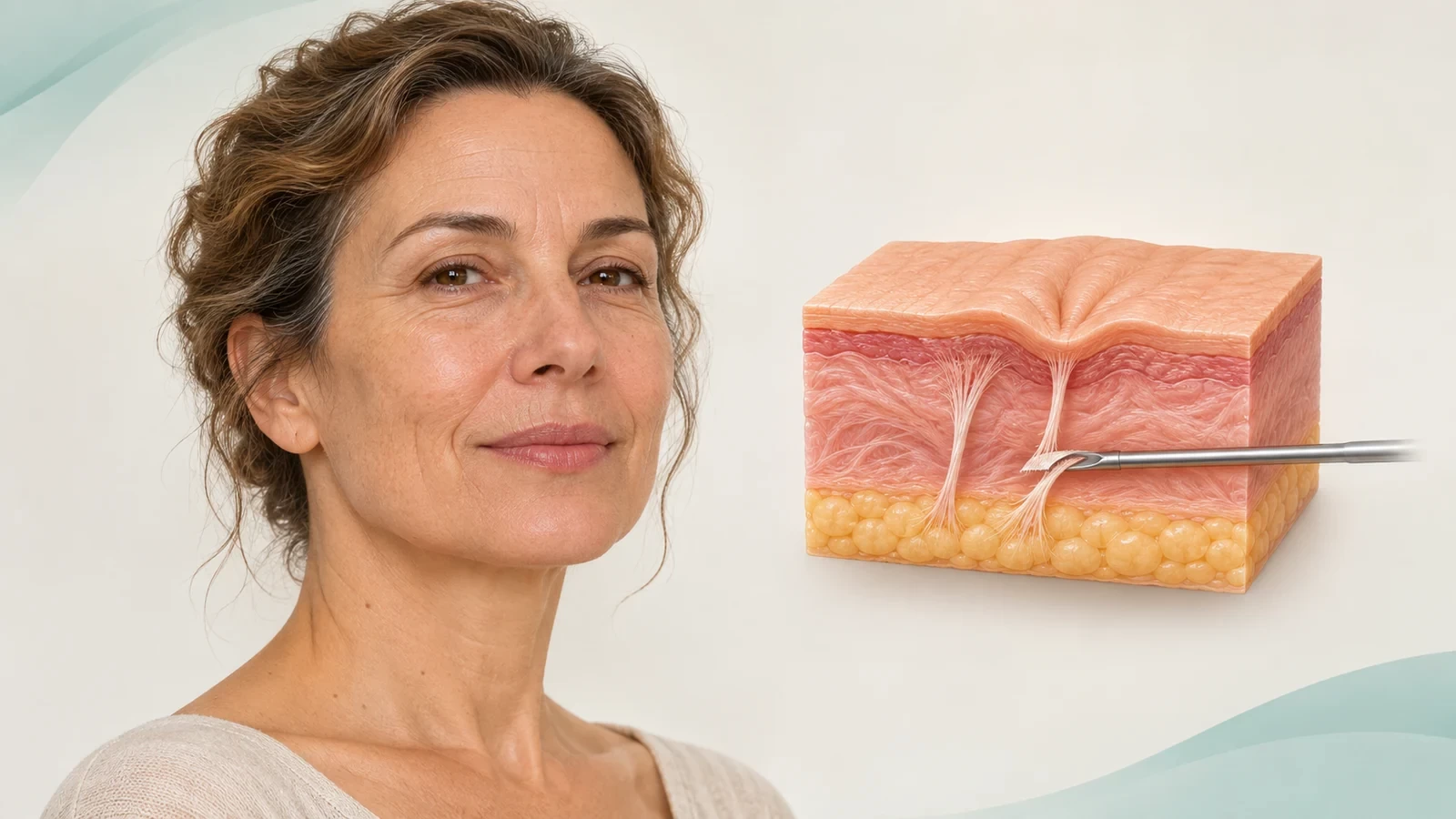
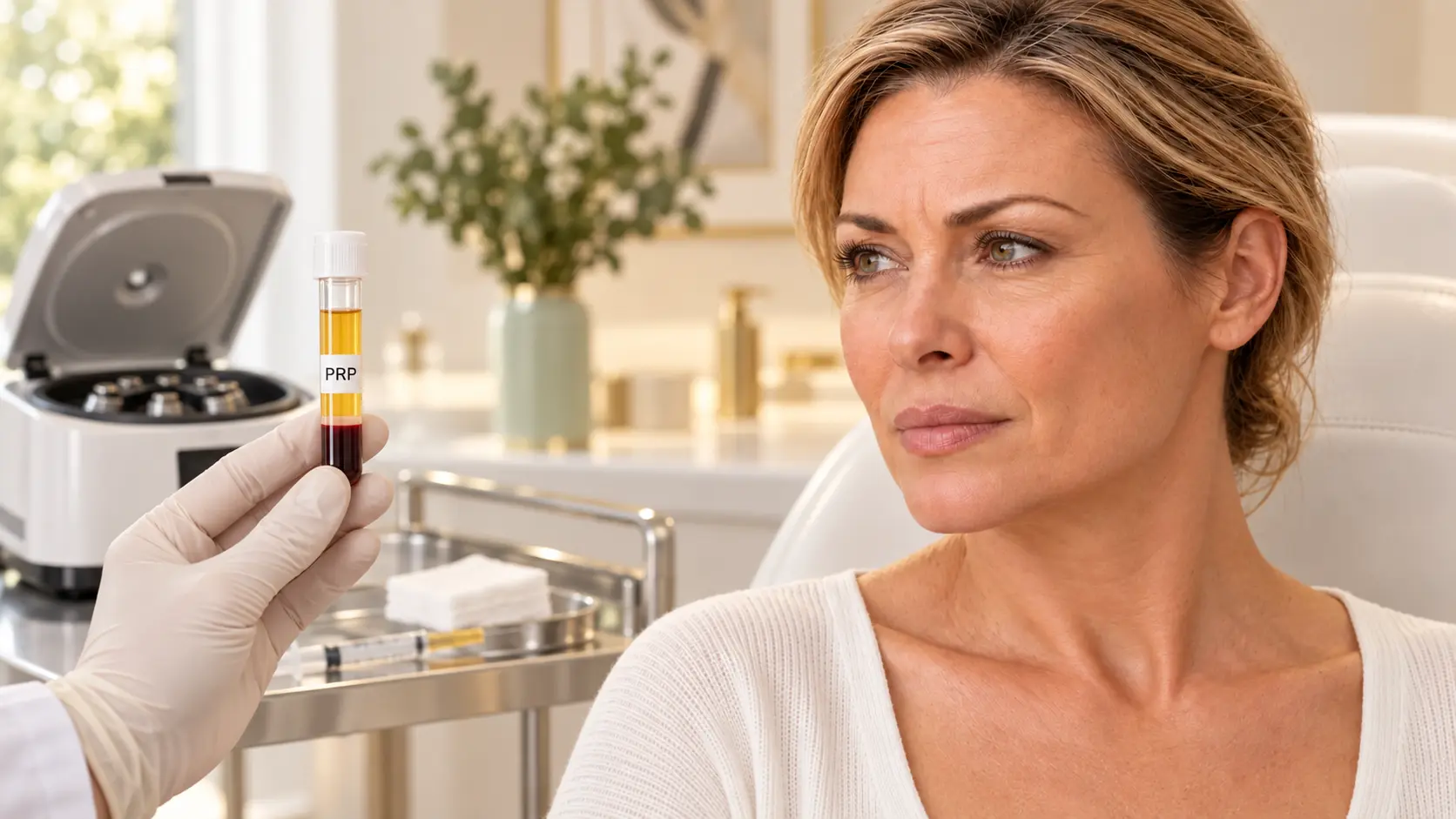
Platelet-rich plasma is prepared from your own blood and contains platelets and growth factors. Skin applications aim to support tissue quality, vitality and repair processes through the biological factors carried by platelets.
PRP may be considered for skin texture, dullness, visible pores and fine lines. It aims to address skin quality without creating filler-like volume or altering facial features. The degree of change depends on your skin and the plan.
How I prepare PRP at my practice
I use a CGF, or concentrated growth factors, approach involving a centrifuge programme with different speeds and durations.
Before application, I expose the platelet- and growth-factor-rich fraction to a controlled ozone–oxygen mixture. The intention is to support platelet activation and release of their biological factors.
Video explanation
The original video explains the principle of PRP, preparation of the blood and the reasons for considering treatment. The spoken explanation is in Turkish.
Which skin concerns may be considered?
On the face, neck and décolletage, I assess dullness, texture, fine lines and visible pores. Sun damage, dryness, facial movement, volume loss and skincare can contribute differently to the same concern, so each is considered separately.
I consider PRP as one option in a plan suited to your skin. It is not expected to resolve every sign of ageing on its own.
How does it differ from mesotherapy?
Both may involve small skin injections, but their contents differ. Mesotherapy uses a manufactured product or formulation. PRP is prepared from your own blood during the procedure.
We discuss your skin, health, preferences and the change you hope for, then consider whether PRP should be used on its own or within a plan involving another method.
What I assess at the first consultation
- Skin and expectations: texture, sensitivity, dryness, pigmentation tendency and the changes you hope for.
- Medical history: conditions affecting blood counts or healing, medication and previous procedures.
- The plan: suitability, areas, intervals and the limits of the method.
Treatment and aftercare
Prepared PRP is given through small injections at the planned sites. Microneedling or another method may also be considered when appropriate. Combining procedures depends on the individual plan.
Redness, small bumps and tenderness may occur during the first hours, followed by mild swelling or bruising. Individual advice covers returning to makeup, exercise and potentially irritating skincare.
When extra care is needed
Disclose active infection, febrile illness, significant anaemia, platelet or clotting disorders, immune-related conditions, pregnancy or breastfeeding, and regular medicines. Do not stop a blood thinner or a medicine affecting platelet function on your own.
Possible adverse effects
Temporary pain, redness, tenderness, swelling and bruising may occur at blood-draw or injection sites. Duration depends on the skin, area and technique. Infection or a longer-than-expected reaction can occur less commonly. Contact the treating doctor for unusual or worsening symptoms.
Frequently asked questions
Is PRP the same as a filler?
No. It is a platelet- and growth-factor-rich preparation made from your own blood. It is not intended to create filler-like volume.
How is it prepared?
A small amount of blood is separated by centrifugation. The platelet- and growth-factor-rich fraction is prepared under sterile conditions.
What does CGF mean at your practice?
It refers to the concentrated growth factors approach using a centrifuge programme with varying speeds and durations, as part of my PRP preparation process.
Why is the preparation exposed to ozone?
The controlled ozone–oxygen exposure is intended to support platelet activation and the release of platelet-derived biological factors.
How many sessions are needed?
Your starting skin condition, the purpose of treatment and your response guide the schedule. An initial series or more widely spaced sessions may be considered.
When may changes be seen?
Immediate swelling and brightness are not the final result. Initial texture changes may be noticed after three to four weeks, with a more meaningful assessment around 6–12 weeks. Tissue response may continue over several months. PRP alone does not correct substantial volume loss, deep wrinkles or sagging.
Is it risk-free because it uses my own blood?
No. Blood collection and injections can cause bruising, swelling, tenderness and, less commonly, infection. Sterile preparation and appropriate technique matter.
Can I have PRP while taking a blood thinner?
These medicines can affect bruising and bleeding; some also affect platelet function. Do not stop regular treatment yourself. Suitability should be assessed with your doctor.
Original video explanation
The spoken explanation is in Turkish.