Longevity
What Is NAD⁺, and What Does It Do?
NAD⁺ in energy production, DNA repair, cellular signalling and circadian rhythms, with the implications for research on interventions.
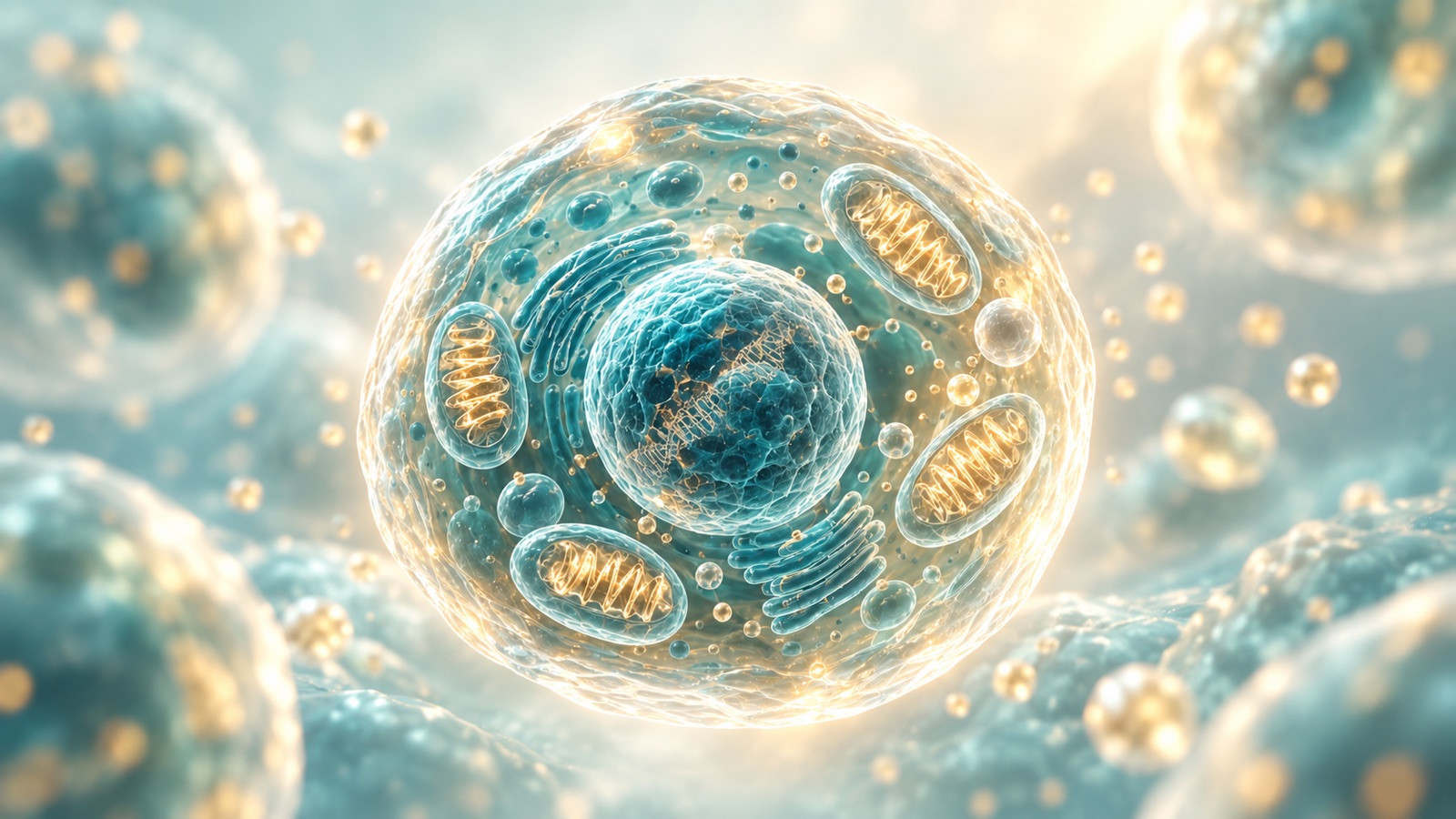
Cells continually produce energy, respond to damage and adapt. NAD is a coenzyme involved in several of these processes, including metabolism, signalling and cellular maintenance. These roles are why it is studied in healthy ageing.
NAD⁺ and NADH
NAD stands for nicotinamide adenine dinucleotide. As a coenzyme, it helps certain enzymes perform their functions.
NAD⁺ accepts electrons to become NADH, which transfers them to other reactions. This cycle helps cells use energy from nutrients. Some enzymes also consume NAD⁺ directly, so synthesis and recycling continually replenish the cellular pool.
Energy production
NAD⁺ and NADH transfer electrons released during carbohydrate and fat breakdown. NADH contributes electrons to mitochondrial ATP production. ATP powers contraction, transport and the synthesis of molecules, making this system important to muscles, the heart, brain and other tissues.
Mitochondrial access to NAD⁺ matters. Cell studies show that disrupting its transport into mitochondria interferes with energy-related processes.
DNA repair
PARP enzymes use NAD⁺ to create molecular marks on proteins during responses to DNA damage. These signals help recruit repair machinery and regulate the process, contributing to systems that maintain genetic integrity.
Metabolic regulation and maintenance
Sirtuins use NAD⁺ to modify proteins and regulate their activity. They influence energy use, mitochondrial function, genes and responses to metabolic stress, connecting the cell's energy status with maintenance and adaptation.
Intracellular communication
Calcium is an important signal within cells. Certain NAD⁺-derived molecules regulate release from intracellular calcium stores, contributing to contraction, secretion and immune-cell responses.
The biological clock
Many bodily activities follow roughly 24-hour rhythms, including aspects of energy use and gene expression. Experimental research identifies reciprocal links between NAD⁺ metabolism and cellular clocks, particularly SIRT1 and clock proteins.
Showing this mechanism does not, by itself, establish that NAD⁺ supplementation treats sleep disorders.
Indirect support for antioxidant systems
NAD is also used to make NADP⁺ and NADPH. NADPH supplies reducing power that helps regenerate antioxidant systems such as glutathione and thioredoxin.
NADPH provides this reducing power directly. NAD⁺ contributes through the metabolic pathway, but the two molecules are not interchangeable.
Why is it studied in ageing?
Energy production, DNA integrity and stress responses are major areas of ageing biology. Lower NAD⁺ levels with age have been reported in some tissues and experimental models, but the pattern is not identical across tissues or people.
What do these roles tell us about supplements?
Cellular necessity and clinical benefit from external administration are separate research questions.
A randomised study published in 2026 in 65 healthy participants found that the NAD precursors nicotinamide riboside (NR) and nicotinamide mononucleotide (NMN) increased circulating NAD⁺ over 14 days. A biomarker change alone does not establish every proposed health benefit.
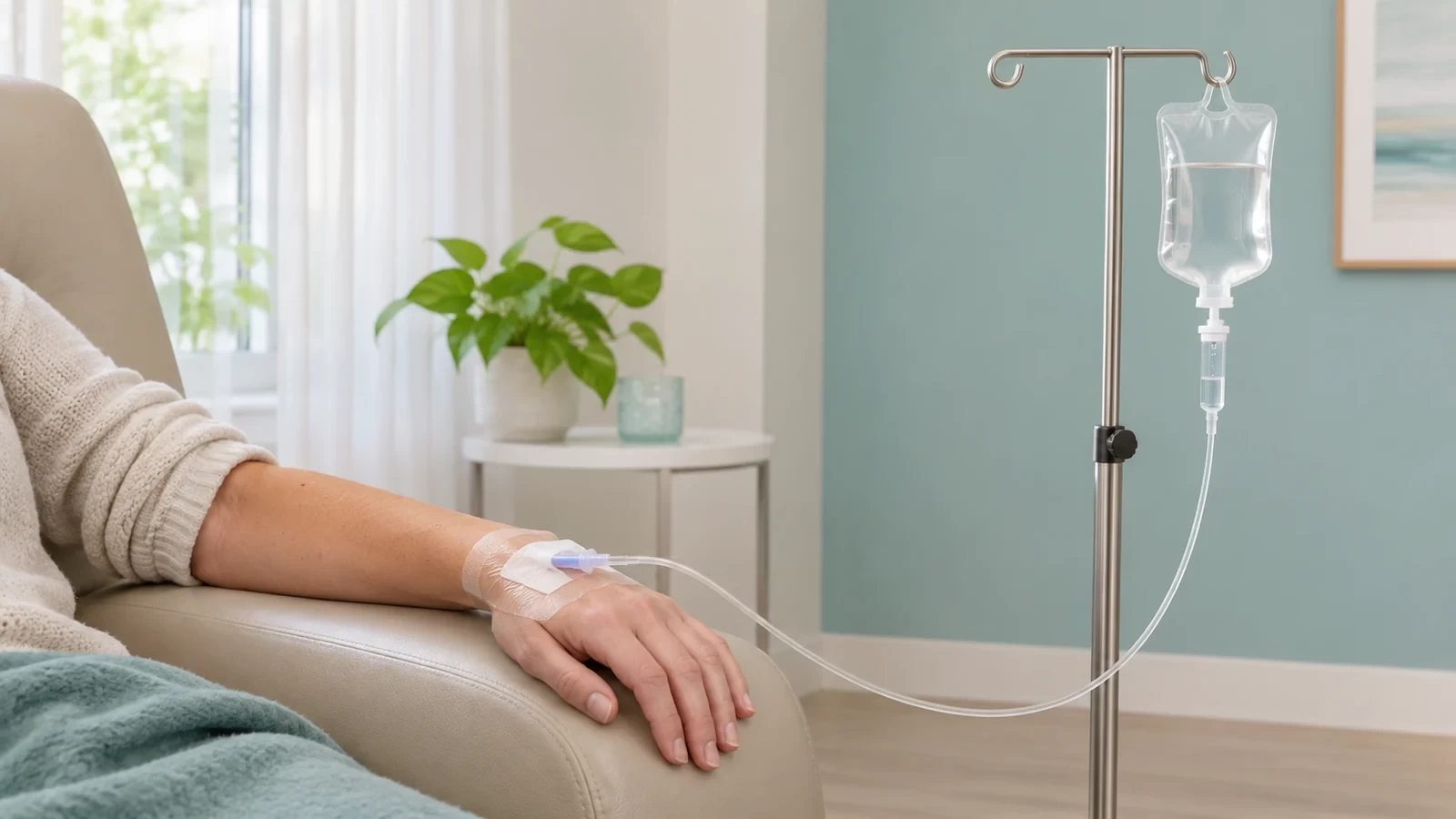
Oral precursors and intravenous NAD⁺ are different interventions; findings cannot be transferred directly between them. A 2026 retrospective pilot study of intravenous NAD⁺ and NR provided short-term tolerability data and identified the need for further effectiveness research. It did not establish long-term efficacy.
An assessment of an intervention considers its purpose, your health and the product, together with human studies of that specific route.
Sources and further reading
- NAD+ metabolism and its roles in cellular processes during ageing
- The human NAD metabolome: Functions, metabolism and compartmentalization
- SLC25A51 is a mammalian mitochondrial NAD+ transporter | Nature
- NAD metabolism and circadian clock mechanisms
- The differential impact of three different NAD+ boosters on circulatory NAD and microbial metabolism in humans | Nature Metabolism
- Intravenous infusion of nicotinamide adenine dinucleotide (NAD+) versus nicotinamide riboside (NR): a retrospective tolerability pilot study in a real-world setting