Medical Aesthetics
PRP for hair loss: what to expect and how to track your progress
What changes can you expect from PRP for hair loss? Learn how to assess shedding, hair density and progress photos over time.
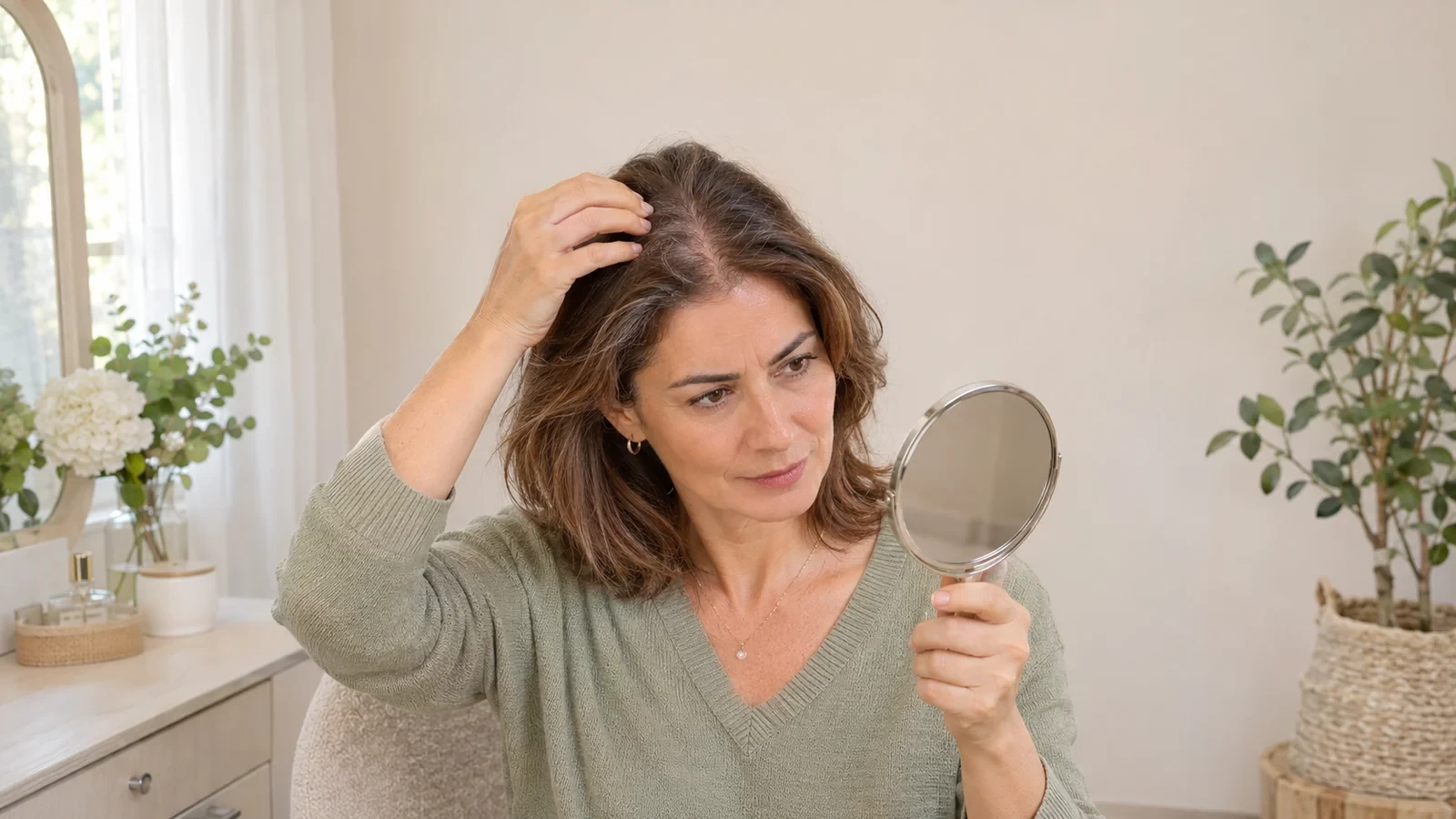
If your parting is getting wider or more of your scalp is showing at the crown, you probably have a clear goal: less shedding and fuller-looking hair. PRP may help suitable patients work towards these goals. To judge the change, it helps to agree at the start what you will track and when you will compare the results.
What does PRP aim to do in the scalp?
PRP stands for platelet-rich plasma. It is prepared from your own blood and contains platelets that carry substances involved in growth and repair signalling. After the blood has been separated into its components, the prepared plasma is injected into selected areas of the scalp.
The aim, particularly in pattern hair loss, is to support the growth of thinning hairs and improve hair density. Helping an area that still has hair look fuller is a different goal from restoring the original density in an area that has been completely bald for years. Your examination should help establish what is realistic for you.
You may also hear about CGF, or concentrated growth factors. This is a related approach prepared from your own blood using a different processing method. Ask which preparation will be used and how your response will be assessed.
Start by finding the cause of the hair loss
A crown that has gradually thinned over several years may need a different approach from heavy shedding that began after a recent illness. The scalp examination, the pattern of thinning and when it started all help guide the plan. Blood tests are chosen according to your symptoms and examination; everyone does not need the same extensive panel.
PRP has been studied mainly in male and female pattern hair loss. Some controlled trials have found an increase in hair density, while others have not shown a clear advantage over the comparison treatment. It is therefore useful to focus on measurable changes in your own hair. When medication is needed to address the cause of the hair loss, PRP can be considered alongside it.
When should you assess the result?
Hair growth takes time. Looking for noticeably fuller hair a few days after the first session is too early to assess the treatment. An initial course may involve several sessions at planned intervals. The schedule depends on the preparation method and your needs.
You may notice less shedding over the first few months. An initial comparison of photographs and density can often be made at around three months, with a fuller assessment at around six months. These are review points; people will not all notice the same changes on the same dates. Agreeing on the timetable at your first appointment gives you a clearer basis for judging progress.
What can you track at home and at your reviews?
- Photographs of the same areas: Take baseline photographs of your parting, hairline and crown. Use similar lighting and angles each time, and keep the hair consistently dry or wet. Hair fibres used to conceal thinning, or a different parting, can make comparisons misleading.
- Changes you notice in daily life: Make a note of whether shedding during washing seems to decrease and whether your hair feels different when you tie it back or style it. Avoid judging the result by the amount shed during a single wash.
- Findings at the examination: When appropriate, magnified scalp examination can compare hair density and shaft thickness in the same area. This may help assess changes that are difficult to see in ordinary photographs.
How do you decide whether to continue?
At your review, the photographs and examination findings are considered together. If density or shaft thickness has improved, you can discuss a schedule aimed at maintaining the change. Reduced shedding can also be worthwhile, although it does not by itself show that hair density has increased.
If the expected change is not apparent, the cause of the hair loss, any accompanying treatment and the procedure plan should be reviewed. Mention any periods when you were unable to use your medication, or any new episode of heavy shedding. This helps make the next-session decision about your response rather than simply the date on the calendar.
What should you tell your clinician before treatment?
Share your medication list, especially blood-thinning medicines, and mention any bleeding or platelet disorders or scalp infections. Do not stop prescribed medicines on your own. Short-lived tenderness or bruising can follow injections; ask the treating clinician for aftercare instructions.
Sudden round bald patches, marked redness, pain or crusting call for a dermatology assessment first. Bring earlier photographs and a short note about when the hair loss began. These can help you and your clinician choose an appropriate treatment goal.
Sources
- American Academy of Dermatology: hair loss diagnosis and treatment: Explains how the cause of hair loss is assessed, how treatment is selected and how PRP may be followed up.
- Gentile and colleagues: a controlled trial of PRP for hair regrowth: Examines hair density in pattern hair loss and changes after several months of treatment.
- Shapiro and colleagues: PRP compared with placebo: Reports no clear difference in density change between the two treated areas, illustrating why individual response needs to be assessed.
- Charoensuksira and colleagues: comparing PRP preparation methods: Tracks density and shaft diameter over six months, reporting variable responses and no clear advantage of one preparation over the other.
- A controlled study comparing PRP with PRP plus CGF: Examines PRP alone and PRP combined with CGF. Its findings apply to the particular methods studied.