Medical Aesthetics
What can you do about excessive underarm sweating?
When should you get excessive underarm sweating checked? Learn how antiperspirants can help and what to expect from botulinum toxin treatment.
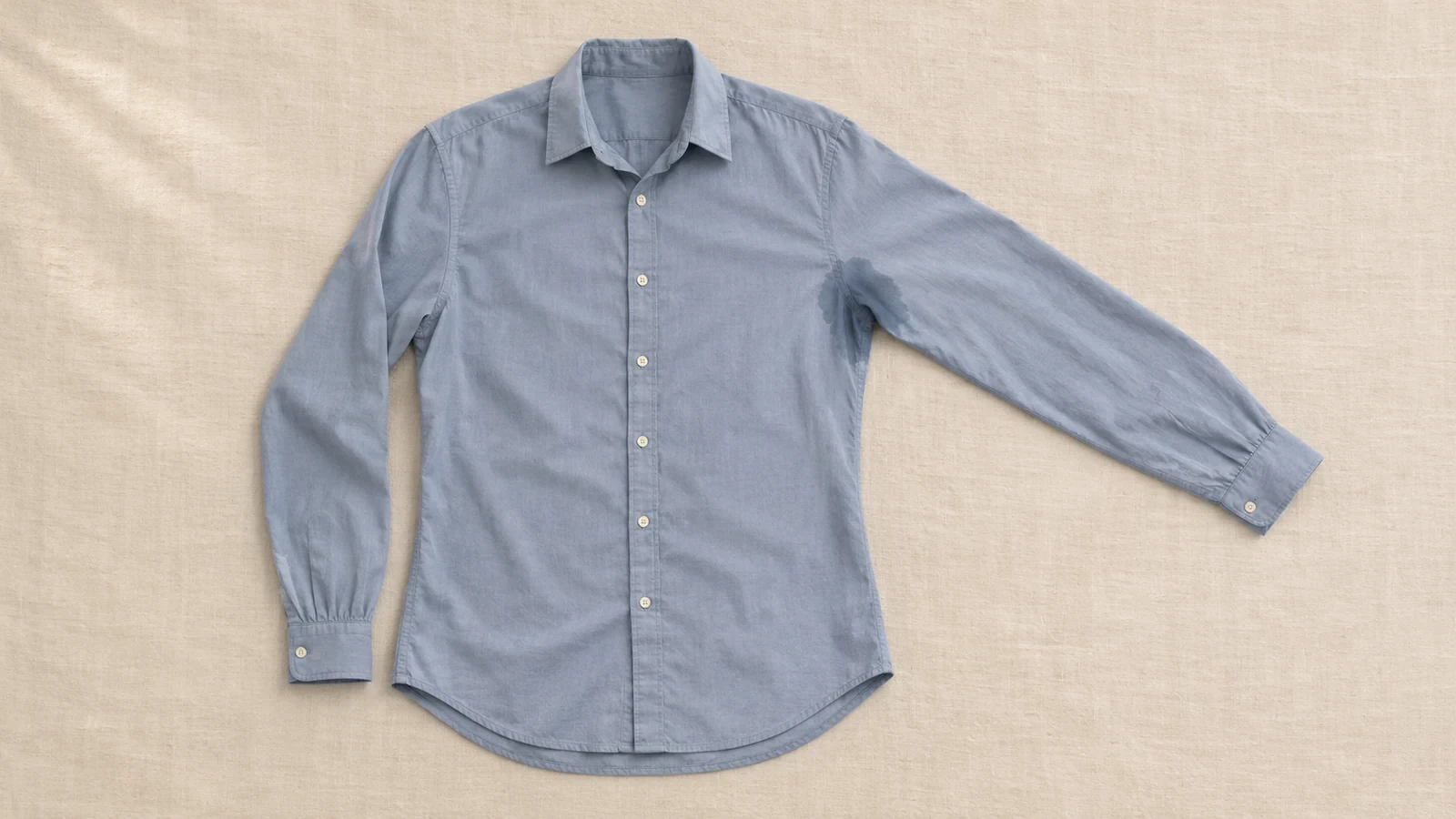
If your shirt gets wet under the arms even in a cool room, or you find yourself changing clothes during the day, it may be worth getting checked for excessive sweating, also called hyperhidrosis. How long it has been happening and how much it disrupts your day help determine the next step. Botulinum toxin is one option when sweating is limited to the underarms and treatments applied to the skin have provided too little relief.
What does the pattern of sweating tell you?
Sweating that has been present for a long time, affects both underarms similarly and usually stops during sleep may fit a pattern called primary focal hyperhidrosis. If the sweating started recently, affects much of your body or is noticeable during sleep, your doctor should look for a cause first. Mention any new medicines, fever, unexplained weight loss or other symptoms. Discuss medication changes with your doctor.
For a week, jot down when you sweat and what you were doing at the time. Details such as “I had to change my shirt twice on a workday” or “It happens while I’m resting” show how it affects your daily life.
I use deodorant. What else can I try?
Deodorant helps control odour. An antiperspirant reduces wetness. If an antiperspirant is suitable for you, it is usually applied in the evening to dry skin that is free of irritation, following the product instructions. If irritation develops, ask your doctor about changing the product or how often you use it.
Bring the product name and explain how you used it. This helps your doctor decide whether another treatment applied to the skin or botulinum toxin would be appropriate.
What can you expect from botulinum toxin?
The doctor identifies where sweating is most pronounced and gives small injections into the skin in that area. Botulinum toxin temporarily reduces the nerve signals that tell the sweat glands to produce sweat. The aim is to reduce wetness enough that it interferes less with your day.
You may notice a change within the first week or two. In a controlled trial of a specific botulinum toxin product, the median response after the first treatment lasted about six to seven months. It can be shorter or longer for an individual. If sweating returns, how much it affects you helps determine whether to repeat treatment.
Compare similar days before and after treatment. On a typical workday, for example, do you change shirts less often? Are the sweat patches smaller? Bring those observations to your follow-up.
What should you tell your doctor before treatment?
Treatment is postponed if the skin at the injection site is infected. Tell your doctor if you have ever had an allergic reaction to botulinum toxin, have a muscle or nerve condition, are pregnant or are breastfeeding. Share your medication list and mention any recent botulinum toxin treatment.
There may be temporary pain or bruising at the injection sites. Get urgent medical help if you develop difficulty swallowing, speaking or breathing after treatment.
Sources
- Explains how excessive sweating is assessed and what to expect from antiperspirants and botulinum toxin. American Academy of Dermatology guide to hyperhidrosis
- Compares a specific botulinum toxin product with placebo in patients with primary underarm hyperhidrosis. Naumann and Lowe’s controlled trial
- Examines the impact on daily activities and how long the response lasted. 52-week controlled study of underarm hyperhidrosis
- Includes the studied product’s indications, duration of response and safety information. DailyMed prescribing information for onabotulinumtoxinA