Medical Aesthetics
Why Does Facial Pigmentation Return? Understanding Melasma
How visible light, tinted sunscreen, irritation and an individual treatment and maintenance plan relate to recurring melasma.

You may notice patches on your cheeks or forehead that darken in summer and fade in winter. Pigmentation can also return months after improving with a product. We first need to establish the diagnosis, then work on reducing uneven colour and managing the triggers for further darkening.
Is every facial dark patch melasma?
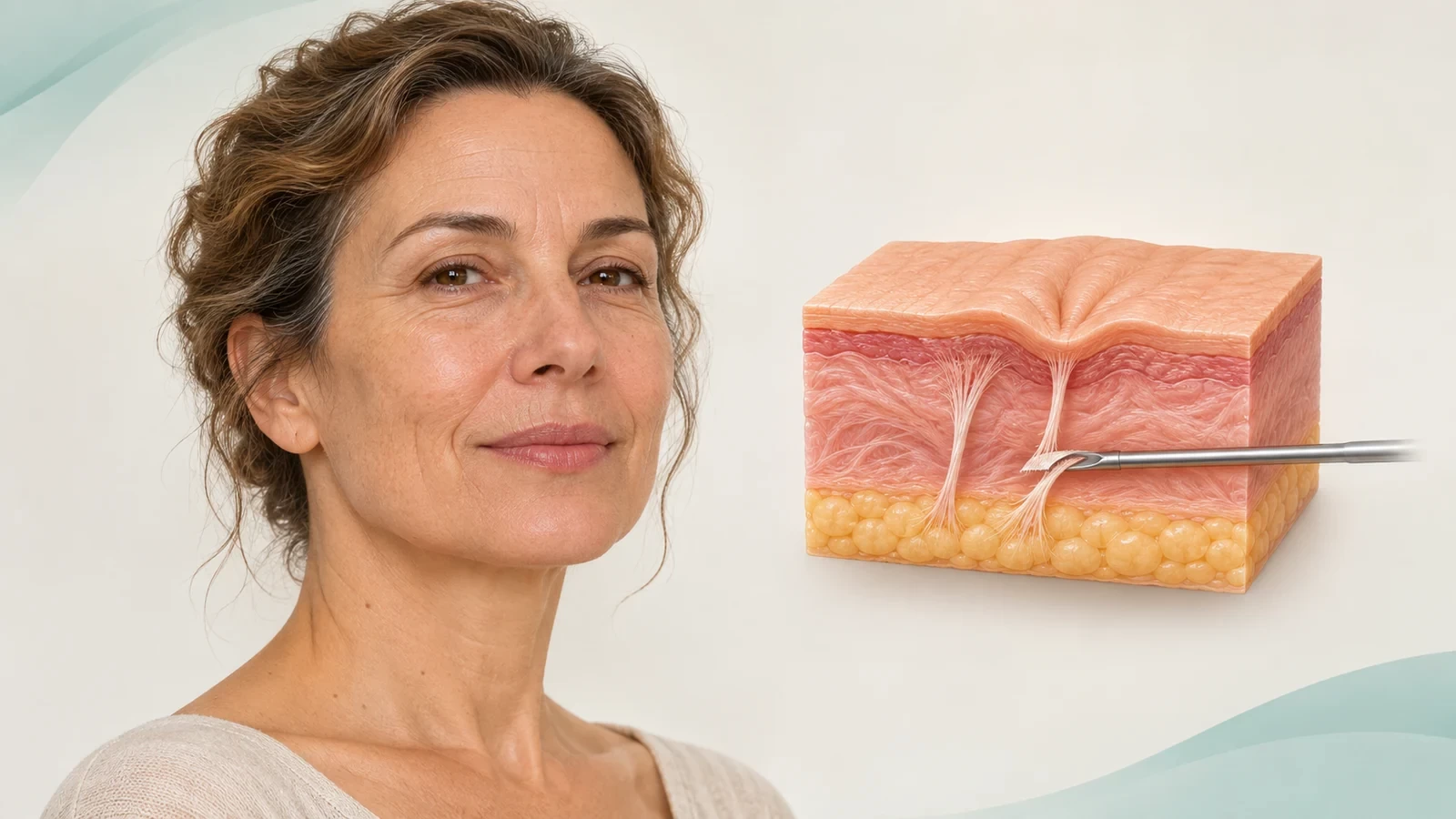
Melasma usually causes brown or grey-brown patches in a similar distribution on both sides of the face. The cheeks, forehead and upper-lip region can be affected. Pigment-producing melanocytes respond to influences including light and hormones. Pregnancy, some hormonal medicines and familial tendency may contribute. [1]
A single brown spot, a post-acne mark and widespread uneven colour can have different diagnoses. The assessment covers distribution, onset, products and medicines, sometimes using dermoscopy. A photograph alone is not enough to choose one lightening product for every type of pigmentation. [2]
Why can it darken again?
The skin can remain prone to producing pigment even after a patch fades. Light exposure, ongoing hormonal triggers and irritating skincare may darken it again. If this happens, maintenance and triggers need review; recurrence alone does not mean the earlier approach gave no benefit. [1,3]
Why is the SPF number not enough?
Broad-spectrum UVA/UVB protection matters. Visible-light protection can also be relevant in melasma. Tinted sunscreens containing iron oxides may be considered; a tinted cosmetic is not automatically equivalent. The product’s sunscreen function, protection and composition should be checked. [3]
In an eight-week randomised study involving 68 people with melasma, both sunscreen groups used SPF 50 or higher and both also received hydroquinone. The group using UV plus visible-light protection through iron oxides showed greater pigmentation improvement than the UV-only group. This supports attention to sunscreen characteristics alongside treatment; it does not establish that any sunscreen alone clears melasma. [4]
Everyday care
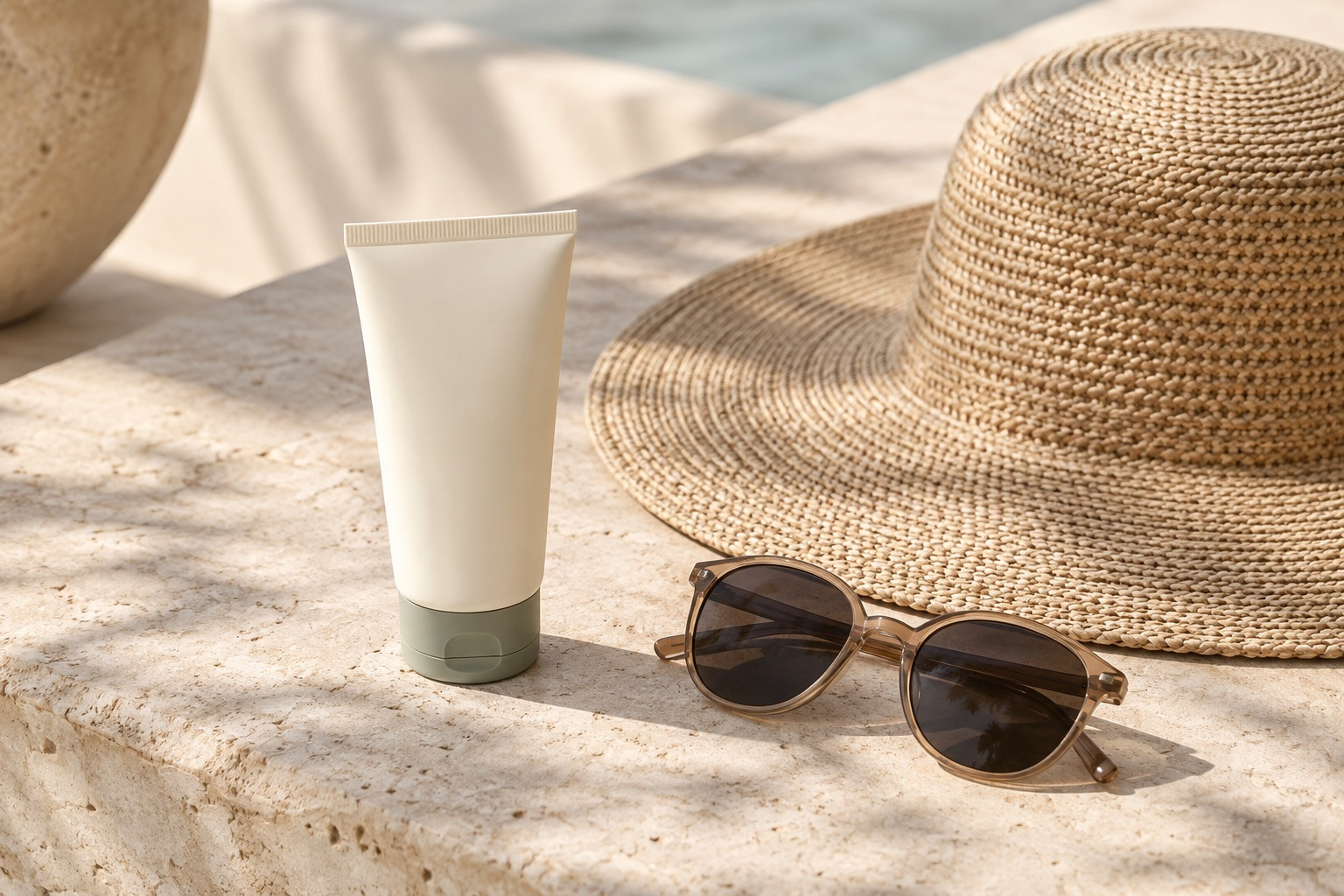
- Use a broad-spectrum SPF 30 or higher product regularly. Reapply at least every two hours outdoors and after swimming or sweating; include shade and a hat.
- Notice burning or stinging. Simplifying irritating routines with your doctor may be preferable to layering multiple strong active products.
- Choose a tinted sunscreen that suits your skin tone and can be applied adequately and consistently.
Starting several new products at once also makes it harder to identify an irritant. [3]
How is treatment selected?
Treatment is selected according to the pigmentation, skin sensitivity, previous treatment and circumstances such as pregnancy. Prescription pigment-reducing products or combinations may be considered. Discuss frequency, duration and follow-up with your doctor instead of using an online mixture long term without supervision. [2]
A randomised trial of 233 people compared a particular hydroquinone, tretinoin and low-potency corticosteroid combination with placebo over eight weeks. Melasma improved more with the combination, but adverse effects were more frequent, mostly mild. This result concerns one formula and study population; it does not mean everyone should use the same mixture or duration. [5]
Preparing for review
Bring product names, the onset history and your responses to earlier treatment. Unfiltered photographs taken periodically in consistent light and position may help. Ask when review should take place, what to do about irritation and how care should continue after the pigment fades. Understanding maintenance matters alongside starting treatment.
Diagnosis and selection of treatment require an individual medical assessment.
Sources and further reading
- Melasma: Causes
- Melasma: Diagnosis and treatment
- Melasma: Self-care
- Near-visible light and UV photoprotection in the treatment of melasma: a double-blind randomized trial
- Efficacy and safety of fluocinolone acetonide, hydroquinone, and tretinoin cream in chinese patients with melasma: a randomized, double-blind, placebo-controlled, multicenter, parallel-group study